guest@czt.sh~/happenings/frasers-inclusive-spaces-hackathon-201921 Apr 2019
Frasers Property Inclusive Spaces Hackathon 2019
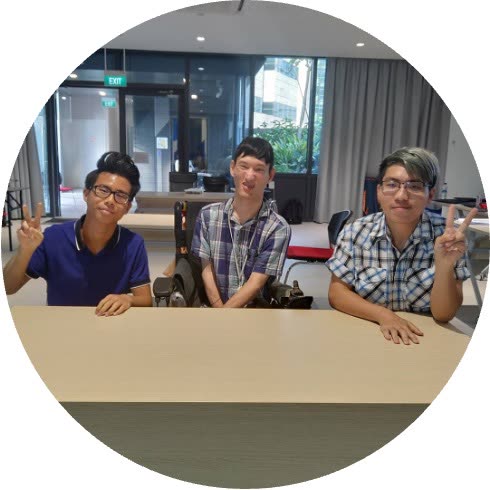
Team UniLex at the Frasers Property Inclusive Spaces Hackathon 2019, reimagining public spaces to be more accessible and inclusive.
In 2019, Team UniLex participated in the Frasers Property Inclusive Spaces Hackathon, an innovation challenge designed to inspire participants to reimagine public spaces as more accessible, inclusive, and welcoming environments for all individuals.
As students with a strong interest in technology and problem-solving, we viewed this hackathon as an opportunity to address real-world challenges encountered by Persons with Disabilities (PWDs). Instead of concentrating exclusively on technological solutions, we sought to understand the daily experiences of individuals facing accessibility barriers and to develop practical interventions that could enhance their quality of life.
The event convened students, mentors, industry professionals, and innovators from diverse backgrounds, all united by the goal of creating more inclusive environments through design and technology.
Meet Team UniLex
Team UniLex comprised a small, highly motivated group of students who shared a commitment to accessibility, innovation, and user-centred design.
Keng Swee YEO
Conan ZHANG
Lex GOH
Throughout the hackathon, we collaborated closely to investigate accessibility challenges, generate ideas, design prototypes, and prepare our final presentation for the judging panel.
Understanding the Problem
Before developing solutions, we dedicated time to researching and discussing the challenges that Persons with Disabilities frequently encounter when visiting shopping malls.
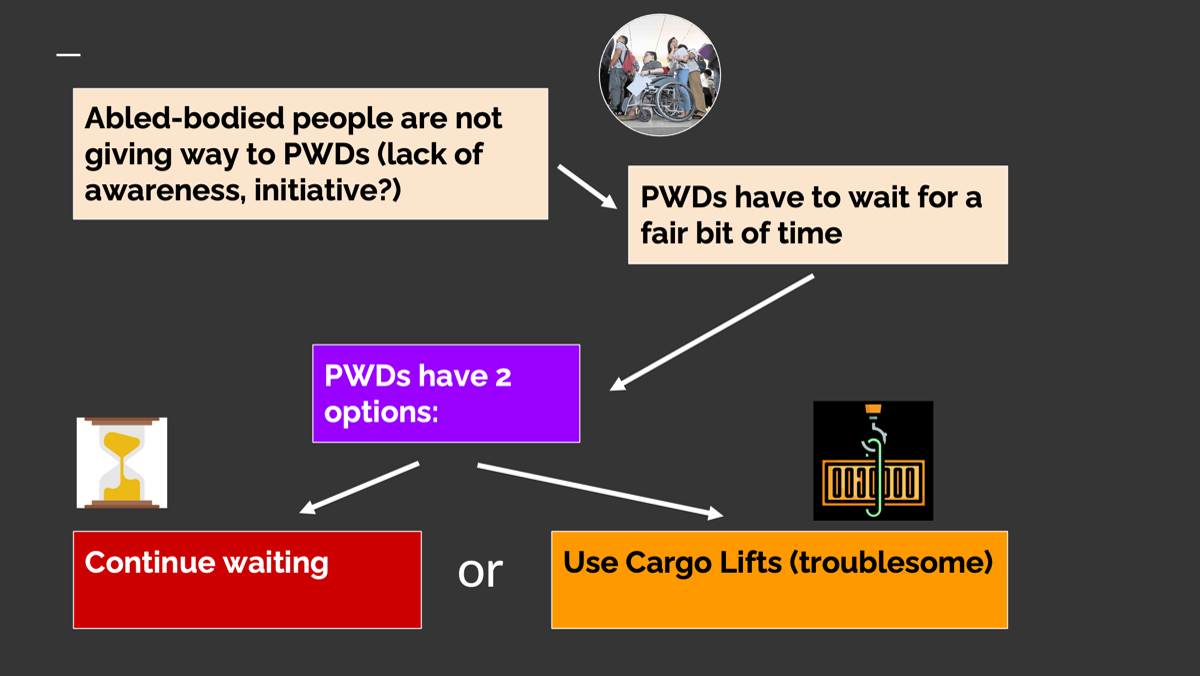
Problem Statement 1: Long waiting time for PWDs to use Lifts
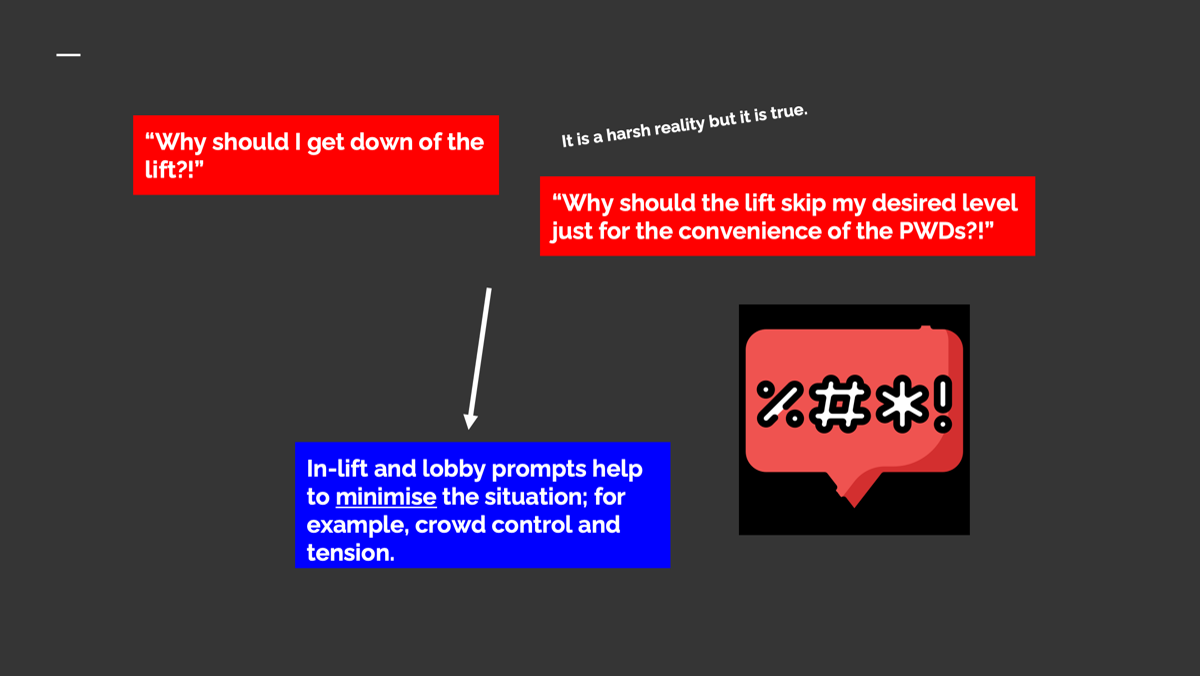
A prominent issue identified was the difficulty many PWDs experience when using lifts during peak periods. Shopping malls often become crowded, leading to extended waiting times and situations in which individuals with mobility impairments struggle to access lifts efficiently.
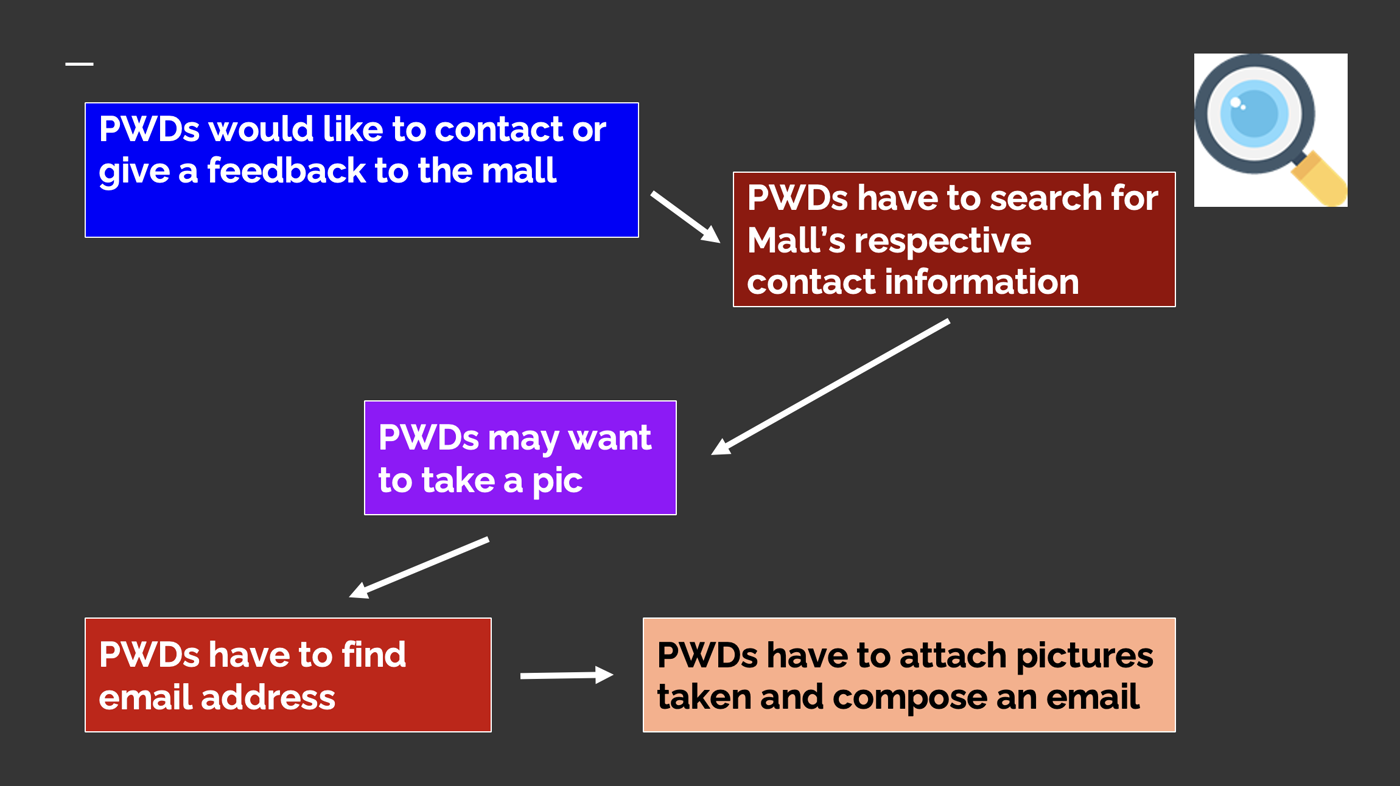
Problem Statement 2: Takes up crucial time to contact or give Feedback to the Management, Customer Service
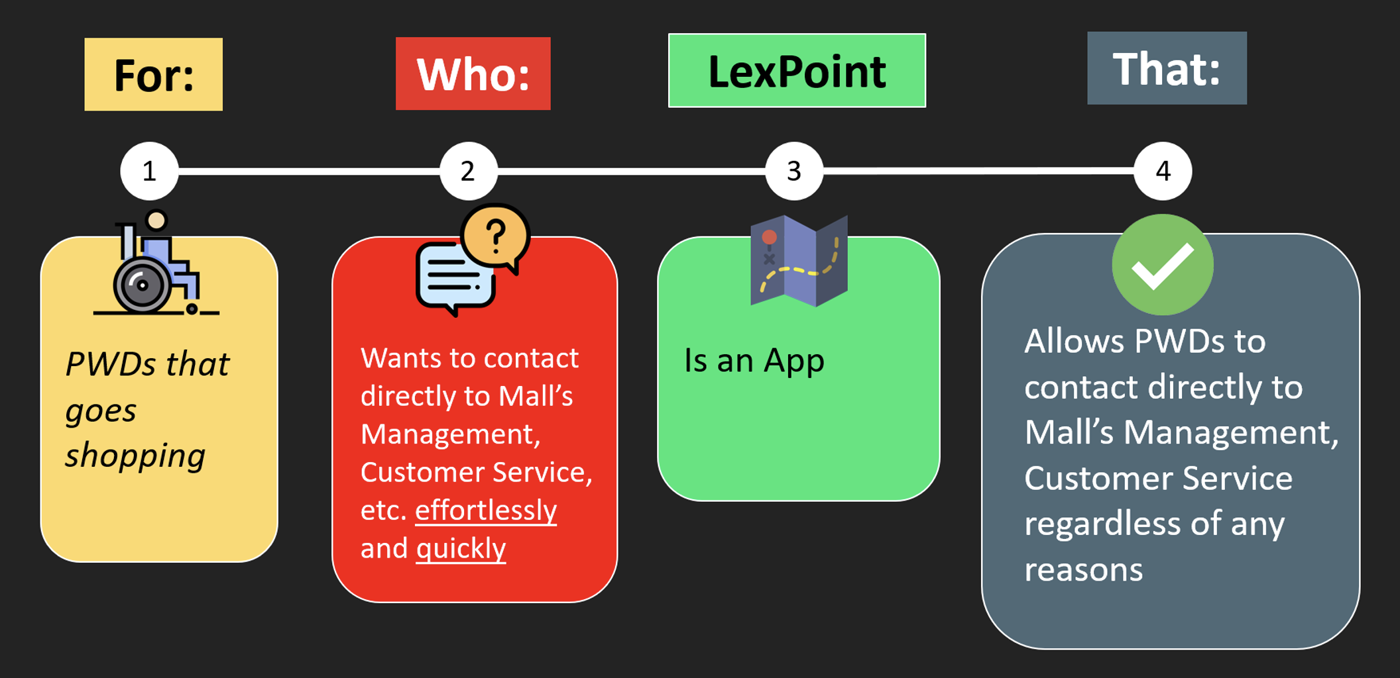
We also identified another challenge: the process of reporting accessibility issues to mall management. Reporting a broken escalator, inaccessible pathway, or maintenance issue often requires locating contact information, composing emails, attaching photographs, and navigating multiple communication channels.
These seemingly minor inconveniences can become significant barriers, particularly for individuals who already experience mobility challenges.
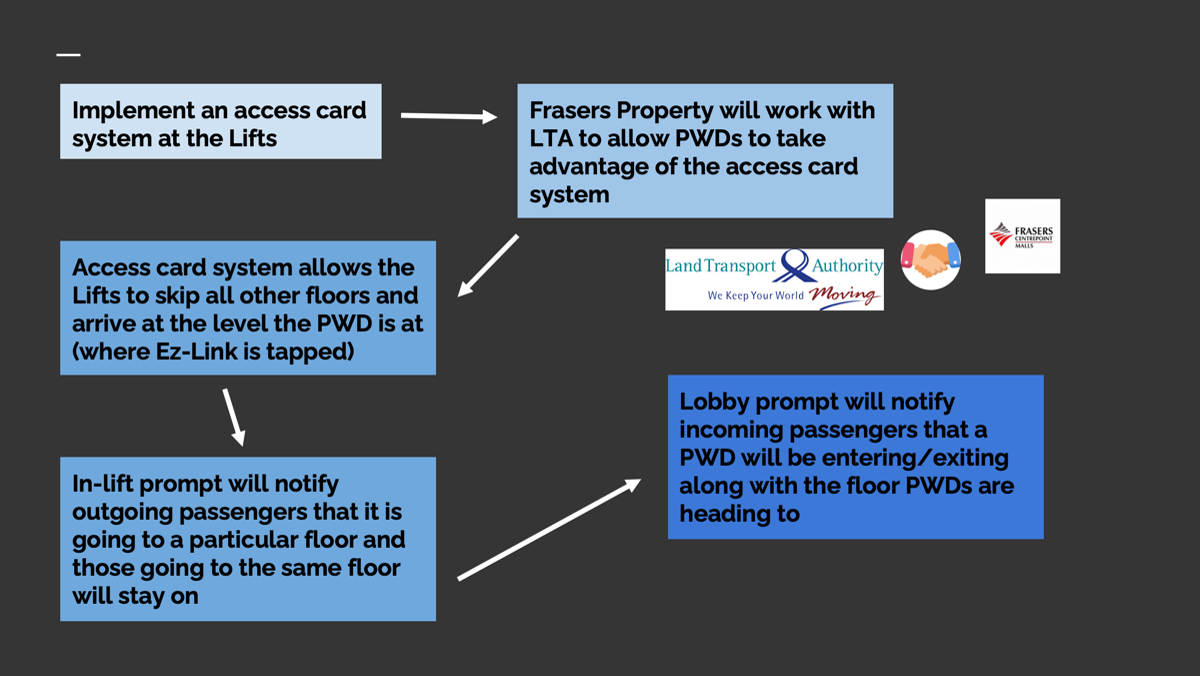
Proposed Solution to PS1: Implementing an access card system that uses the Ez-Link Card, prioritising PWDs.
Our initial proposed solution focused on enhancing lift accessibility within shopping malls
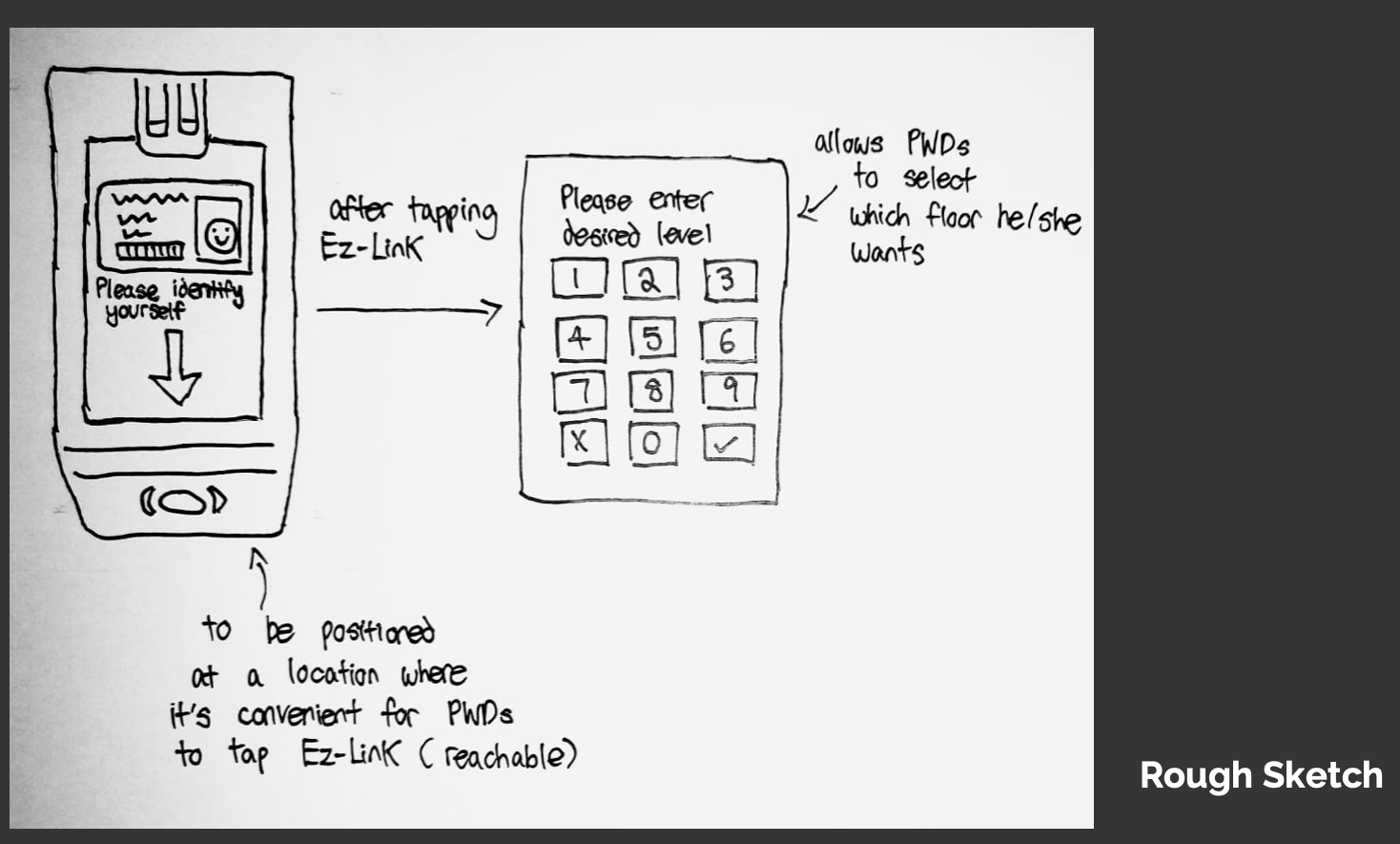
The concept involved a priority lift-access system integrated with the existing EZ-Link infrastructure. Registered PWD users could tap their card at designated lift access points, allowing the lift system to prioritise their request and reduce waiting times.
The system would provide notifications both inside and outside the lift, informing passengers when a priority request was activated. Although this approach would not eliminate waiting times entirely, it could substantially improve accessibility and reduce frustration for users who rely on lift access.
An important lesson we learned during this discussion was that we can’t satisfy everyone, but do not let the solution adapt to us, we adapt to the solution. General public acceptance plays a major role in the success of accessibility initiatives. We carefully considered how the system could balance accessibility needs with public expectations, ensuring that the solution remained practical and socially acceptable.
Proposed Solution to PS2: Creating a Mobile App
Our second proposal focused on communication between mall visitors and management.
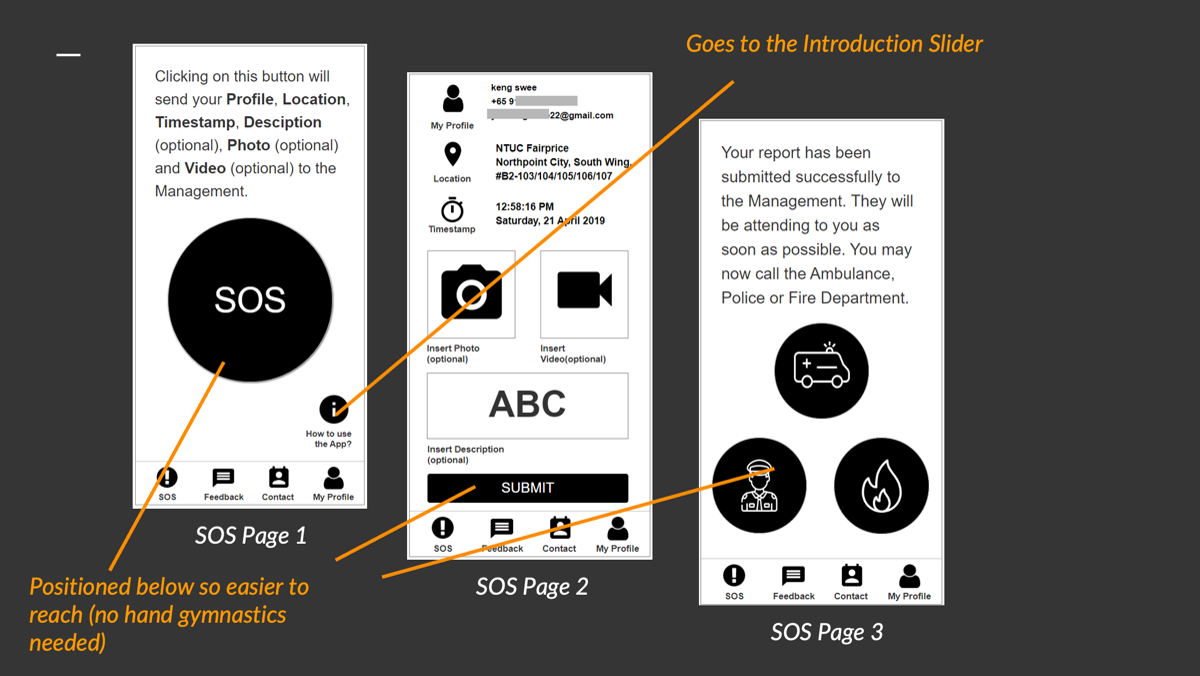
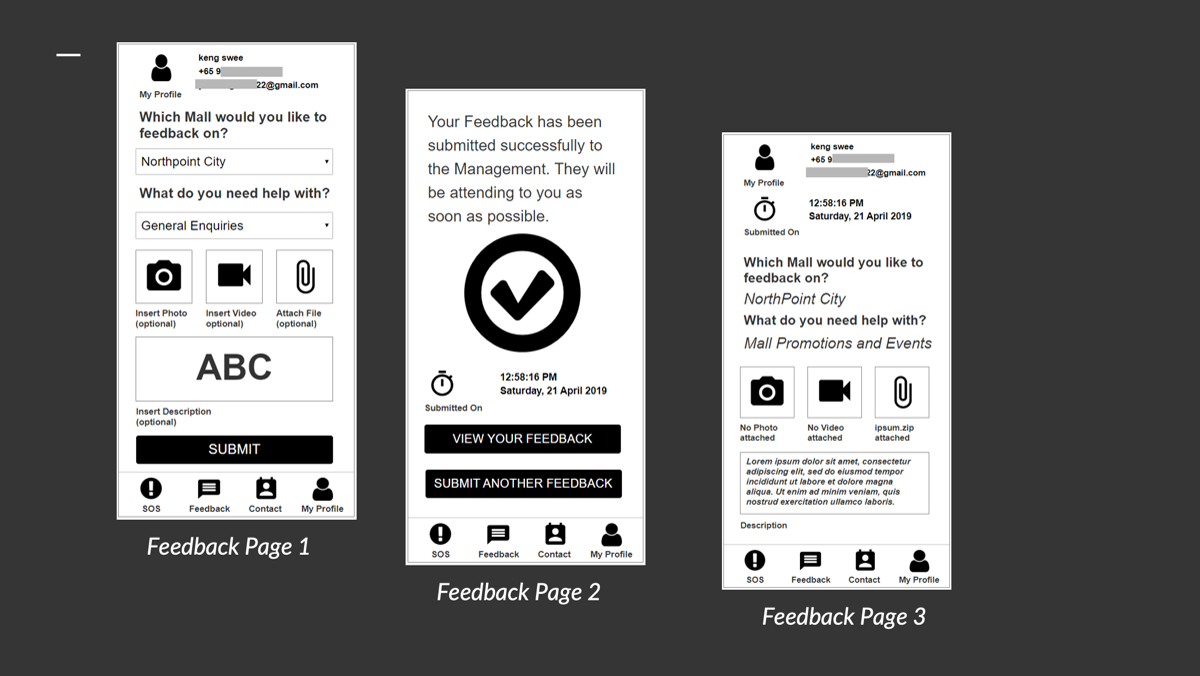
We designed a mobile application concept that would enable users to efficiently report issues, submit feedback, and request assistance without the need to manually search for contact information.
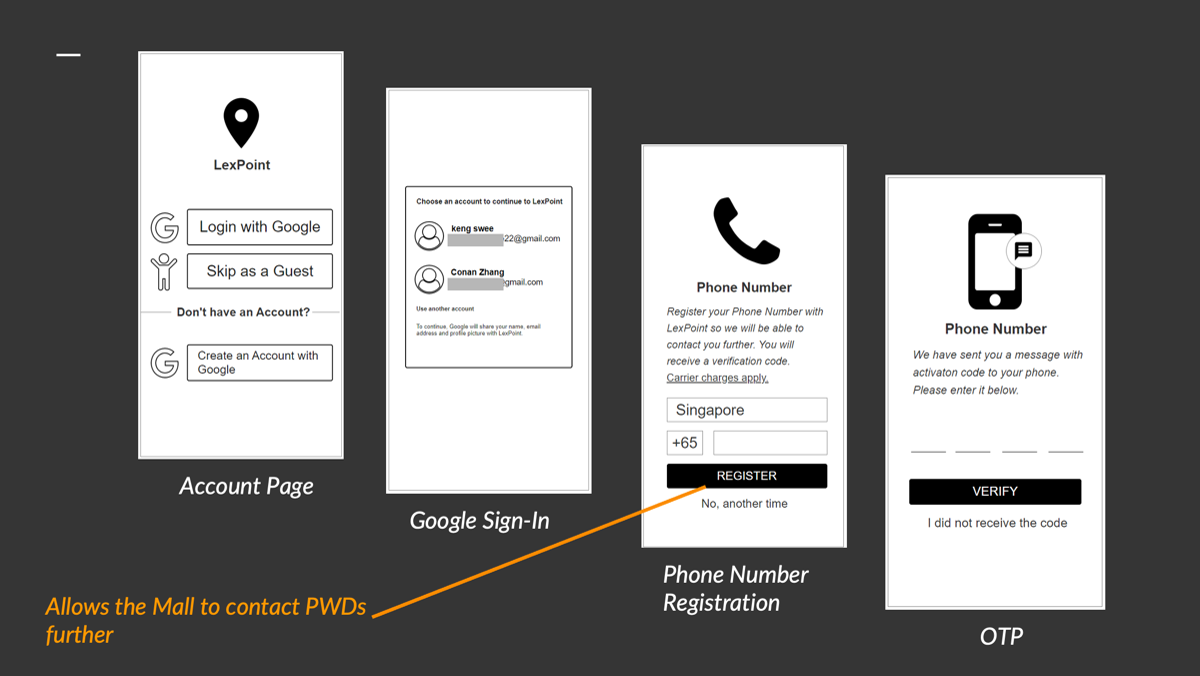
The proposed application included:
User registration and authentication
Quick feedback submission
Photo attachment capabilities
Emergency contact functions
Direct communication with mall management
Accessibility-focused user interface design
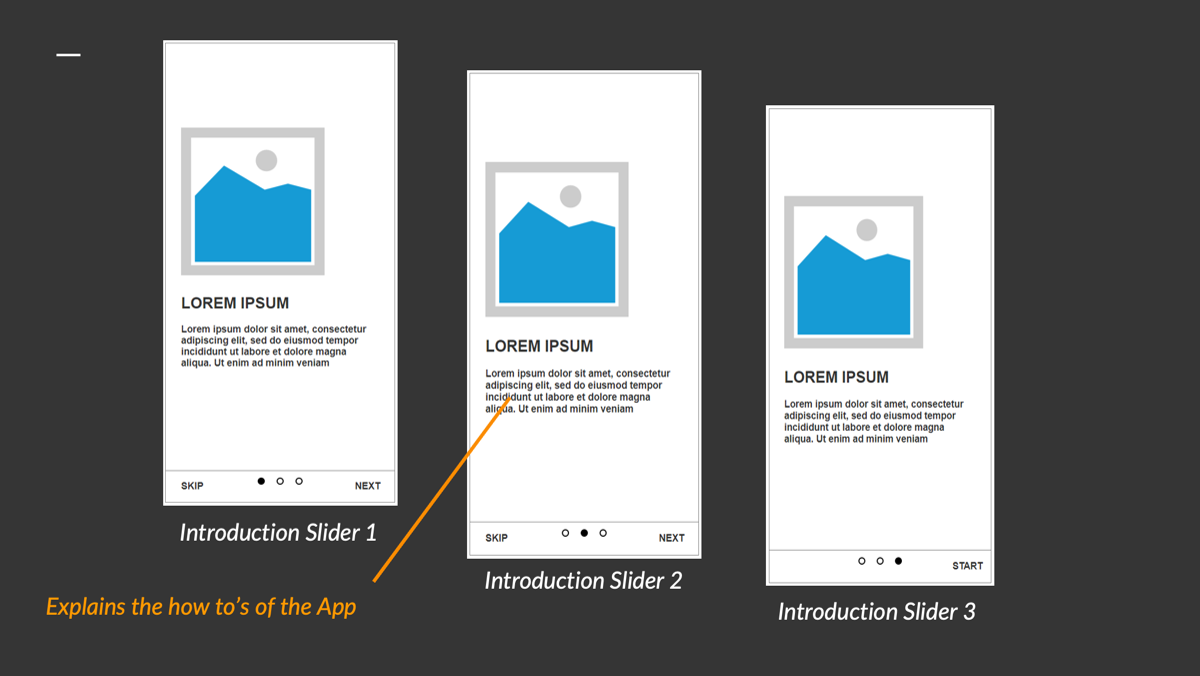
A major consideration during development was ensuring that the application itself remained accessible. We carefully considered button placement, navigation flow, and usability for individuals with diverse accessibility needs.
The outcome was a low-fidelity prototype that demonstrated how technology could simplify communication and reduce the effort required for users to report issues or seek assistance.
Learning from Mentors
One of the most valuable aspects of the hackathon was the opportunity to receive constructive feedback from mentors and industry professionals.
Throughout the event, we presented our ideas, discussed implementation challenges, and received suggestions for improving our concepts.
The mentorship sessions encouraged us to consider not only technical feasibility but also operational, social, and business perspectives. We learned that successful innovation requires balancing user needs, practicality, cost, and stakeholder expectations.ur ideas with mentors and industry representatives.
Final Presentation
After extensive research, design, and preparation, Team UniLex presented our final proposal to the judging panel.
Our presentation addressed the challenges faced by Persons with Disabilities, the rationale for our proposed solutions, and the potential impact these solutions could have on fostering more inclusive shopping mall environments.
Although our concepts remained at the prototype stage, the experience enabled us to demonstrate how empathy, technology, and thoughtful design can converge to address significant societal challenges.
Key Takeaways
The Frasers Property Inclusive Spaces Hackathon was more than a competition; it provided an opportunity to learn about accessibility, inclusive design, and human-centred innovation.
Some of our key takeaways included:
Accessibility should be considered from the beginning of the design process.
Technology can empower communities when designed thoughtfully.
User experience is just as important as technical functionality.
Collaboration often leads to stronger and more practical solutions.
Understanding the needs of end users is critical for successful innovation.
Reflection
Reflecting on the experience, the hackathon remains one of our most memorable undertakings. It challenged us to think creatively, work under pressure, and develop solutions for real-world problems that affect daily life.
More importantly, it reinforced the significance of designing with empathy. Accessibility is not solely about compliance or convenience; it is about ensuring that all individuals can participate fully and independently in society. Lessons learned from this event continue to inform our approach to technology projects today.
Photos